
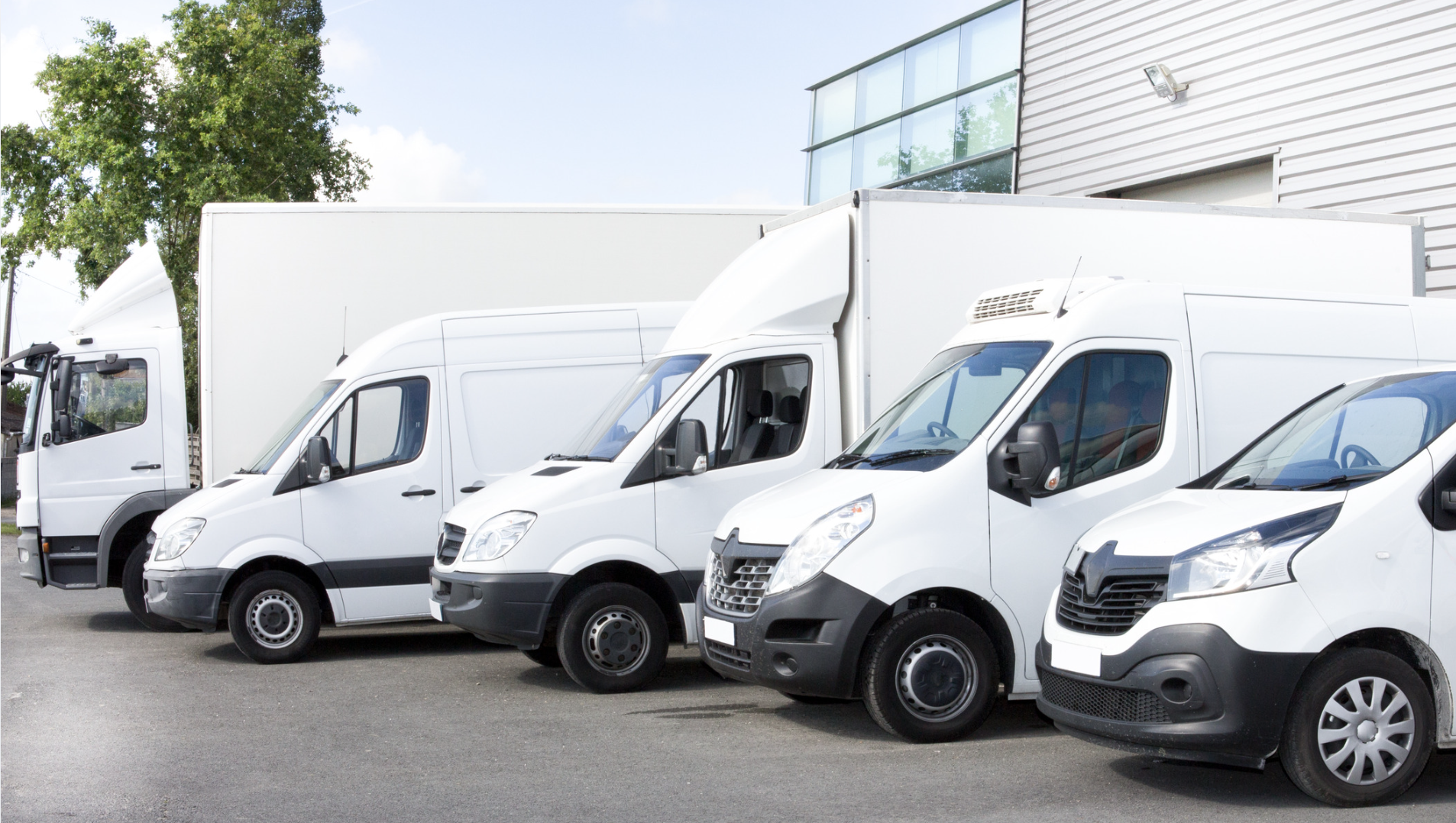
 If you have an in-house delivery fleet, there’s a strong chance it may be eating into your margins more than you think.
Here’s what I mean. A 10-vehicle fleet can start at $30,000+ annually in maintenance alone—before insurance, fuel, and driver wages. This math is the same across industries. Whether you’re an auto parts retailer, furniture company, or body shop network, the economics of running your own fleet work against you.
Below are the five hidden expenses that compound silently, and why outsourcing is becoming the default strategy. The cost advantage is undeniable, and the operational simplicity is immediate.
Hidden Cost #1: Driver Turnover & Recruitment
The logistics industry averages 44–95% annual driver turnover depending on fleet size. Each replacement costs $5,000 to $12,000 in recruiting, hiring, training, and lost productivity. For a 20-driver operation, that’s $100,000 to $240,000 annually bleeding into turnover alone.
Most retailers and networks can’t compete with logistics companies for driver talent. Wages, benefits, and working conditions are typically better on the carrier side. You end up constantly hiring, training, and replacing drivers—management overhead that pulls focus from sales and service.
Outsourced delivery partners absorb this entirely. They manage recruitment, training, and retention as their core business. Your operation scales without the staffing burden.
Hidden Cost #2: Vehicle Maintenance & Repair
A single delivery vehicle traveling 25,000 miles per year costs $5,500 to $7,200 in routine maintenance and insurance. That’s $0.12 per mile baseline, before emergency repairs, tire replacements, or unexpected breakdowns.
As mentioned, a 10-vehicle fleet incurs $30,000+ annually in routine maintenance alone. Older vehicles (over 10 years old) cost $1.10 per mile to maintain versus $0.20 for new assets, meaning a small fleet of aging vehicles becomes a financial drag that accelerates as the fleet ages.
Add unexpected repair costs, and your budget becomes unpredictable. A single transmission failure can cost $2,000–$4,000. An accident that sidelines a vehicle stops deliveries and creates customer service problems.
Outsourced drivers typically use their own vehicles or operate modern, well-maintained fleets. Maintenance is their responsibility and cost. You get predictable, reliable delivery without the depreciation trap.
Hidden Cost #3: Insurance & Liability
Commercial fleet insurance premiums rose 6.4% in 2026, with driver benefits up 4.5% and fuel costs up 5.9%. For a small-to-mid fleet, insurance runs $90–$350 per vehicle per month. For a 10-vehicle fleet, that’s $10,800 to $42,000 annually, and a single major accident can spike rates by 15–25% for years.
You’re also exposed to liability claims. A driver gets in an accident, damages someone’s property, or causes injury. Your insurance and legal team are managing the fallout. A serious claim can cost $50,000+, and your premiums absorb the damage for years.
Outsourced delivery partners carry their own commercial vehicle liability, general liability, and product damage coverage. Liability shifts entirely to them. You maintain business continuity without carrying the insurance burden.
Hidden Cost #4: Capital Tied Up in Assets
Vehicles are capital. A fleet of 10 delivery vans or box trucks represents $150,000–$250,000 in asset value. That cash is locked into depreciating inventory, not invested in inventory, marketing, facilities, or service expansion.
As vehicles age, depreciation accelerates. A 3-year-old van worth $25,000 might be worth $8,000 in eight years. That loss is sunk. You’ve also got licensing fees, registration costs, and potential compliance expenses tied to ownership.
Outsourcing immediately frees that capital. You’re paying for delivery per transaction, not funding a depreciating asset base. That $200,000–$350,000 in freed capital has immediate ROI when reinvested in core operations.
Hidden Cost #5: Management Overhead & Distraction
Someone on your team is managing the fleet. Tasks include coordinating driver schedules, handling maintenance requests, managing complaints, tracking fuel and mileage, ensuring compliance with DOT regulations, and organizing training.
That’s time pulled away from sales, customer service, or operations. For an auto parts retailer, every hour spent managing logistics is an hour not spent on customer acquisition or inventory optimization. For a body shop network, it’s an hour not spent on service coordination or sales support.
Outsourced partners handle all of this. Your team refocuses on what generates revenue and customer loyalty.
Why Outsourcing Fixes This
The math is simple. Outsourcing converts fixed fleet overhead into variable delivery costs aligned with demand. You pay for delivery when it happens, scale instantly with order volume, and eliminate staffing, maintenance, insurance, and capital burdens.
Businesses across industries—auto parts, furniture, medical equipment, construction materials, and more—are making this shift because it just makes sense.
Frequently Asked Questions
Will outsourcing our delivery fleet actually save us money?
Yes. If you’re running 10+ vehicles, outsourcing typically reduces delivery costs by 20–40% once you account for eliminated maintenance, insurance, driver turnover, and capital costs. A 10-vehicle fleet running $100,000+ annually in total delivery costs often drops to $60,000–$80,000 with outsourcing. The savings accelerate as you scale.
What about visibility and control of a delivery fleet? Do we lose that?
No. You maintain complete control over delivery timing, service levels, and customer experience. The outsourced partner handles logistics and coordination. Modern delivery partners provide real-time tracking, customer notifications, and performance reporting. You actually gain visibility because the partner’s infrastructure is built for this.
How do we transition from in-house to an outsourced delivery fleet?
Start with a pilot. Run 20–30% of your deliveries with an outsourced partner, measure performance and cost, then scale. Most partners have pilot periods specifically designed to validate reliability before full commitment. Transition typically takes 4–8 weeks once you’ve confirmed the partner meets your standards.
Ready to stop funding a delivery fleet and start competing on service?
Trado connects retailers, distributors, and service networks with local vetted drivers for transparent, reliable delivery. Eliminate fleet overhead, scale deliveries with demand, and reinvest capital into growth. Get a quote at trado.io or contact our business team for partnerships.